
I stopped outside the Legal Seafood stand at Boston’s Logan Airport, to write down the components of their Boston Cream Pie, because it’s still one cooking adventure I have yet to try.
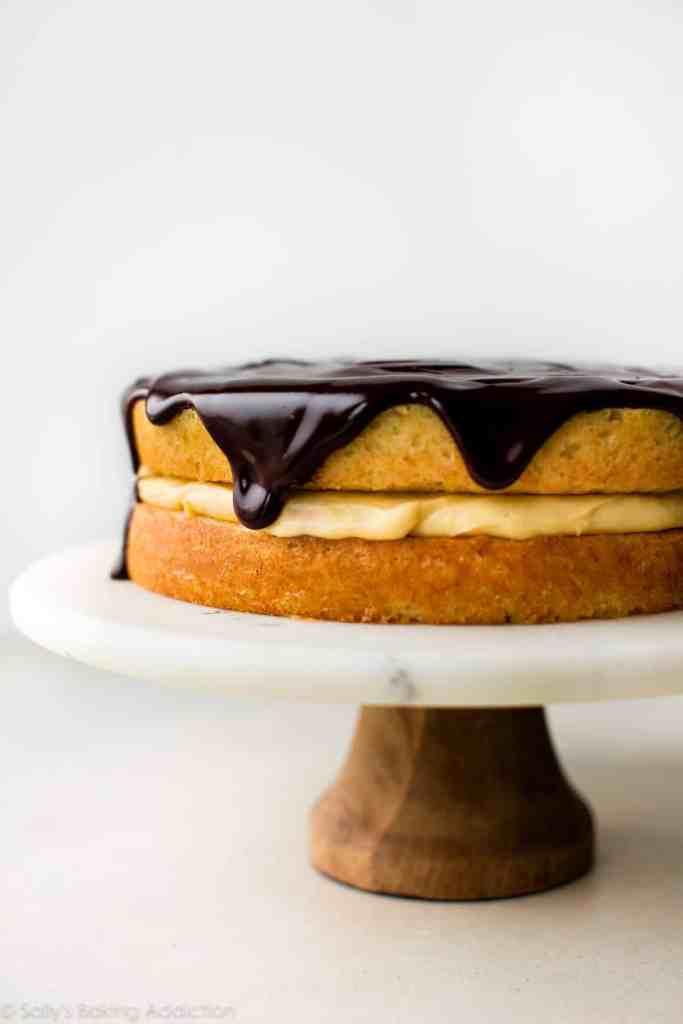
The Legal Seafood hostess saw me writing: “sponge cake, custard, chocolate sauce, crème anglaise, almonds, and toffee bits”. She paused in trying to find free space for more customers around the bar, (where many had already finished, but weren’t going to budge because there was no other place to sit in the whole airport.) Then she saw me and gasped. “You’re writing cursive!”
“Yes. Is that so surprising?”
“Well, it’s so, so old fashioned. We were never taught it in school. In high school, some people….maybe….” her sentence dwindled into silence.
“Oh, interesting. How do you write?” I asked.
“Well, I just, sort of make a B, and scribble a line after it”.
She went back to her hostess duties leaving me jaw-dropped. So…..was signing her name the only writing she ever did? Never to do anything else? I had no idea that my scribbles were so unusual. . I’m not talking about italic copper plate which my husband was so good at, so good indeed, that he hand-wrote all the invitations for a friend’s wedding. I’m talking about simple joined-up writing. Cursive. On this trip I filled a whole notebook full of it. Was it that abnormal?
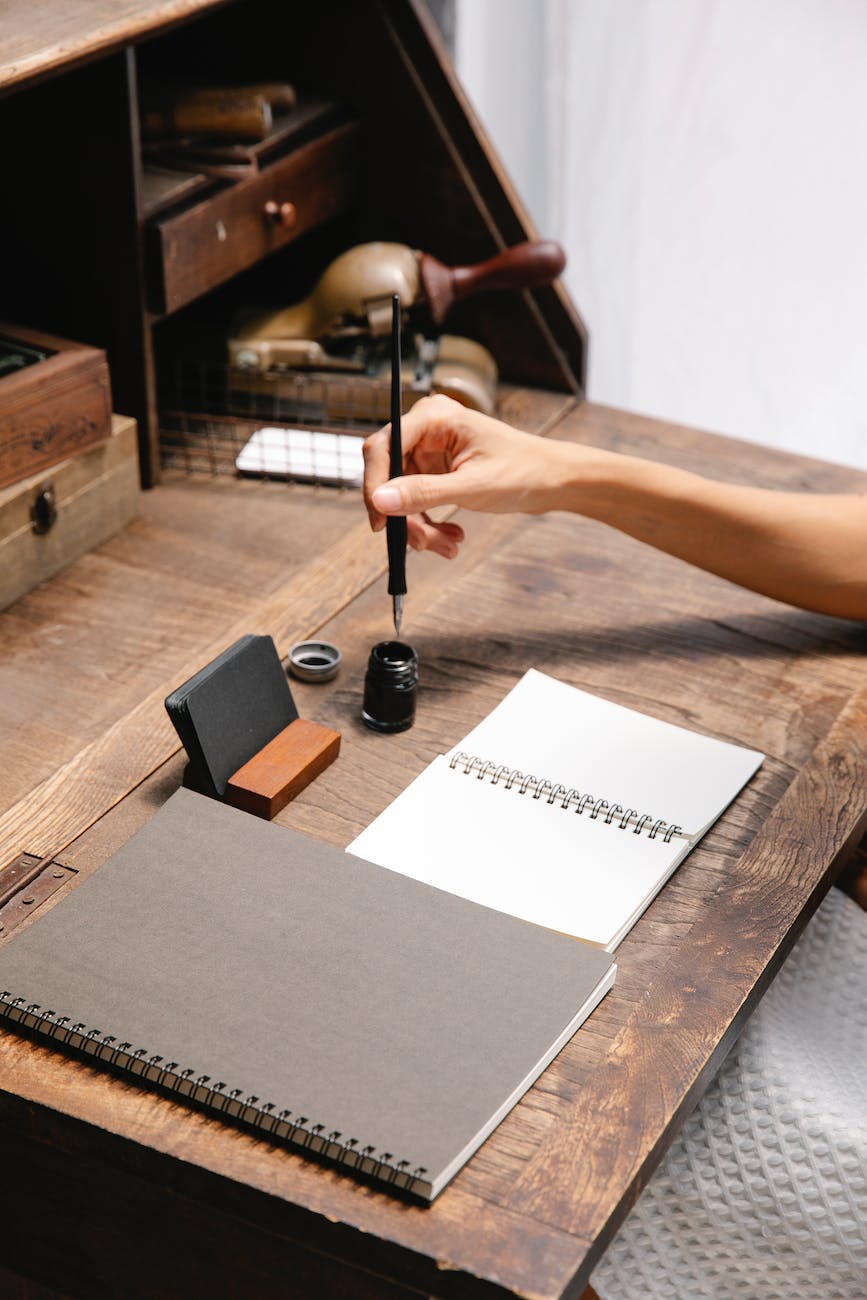
My mind skittered back to my 14-year-old self in Penmanship Classes. “I am teaching you the Palmer Method of Writing,” said our favourite Mr Lott (whose own script was impeccable), as he wandered up and down each row of desks, checking that the Left Handers (me) weren’t writing upside down. “The Palmer Method has proved to be the style that is the most difficult to forge.”
We used a pen dipped into a bottle of black ink, and seemed to spend days making loops, and O, and U, and up-and-down whatevers, before we were released into the triumph of signing our own names using Palmer method.
I was astounded, then, to hear that the school system where my niece lives in Maryland, USA, does not teach cursive, joined-up writing. (Obviously, this was probably true in Boston as well.) However, as an extra session one Friday afternoon she had said to her 10 – 11 year old class: “I’m going to teach you a mysterious form of writing. It’s called ‘cursive’”, and encouraged them to learn how to write their own names that afternoon.
Still trying to get my head around the Boston Cream Pie Incident, I boarded the plane to return to England, settled down, pulled out my notebook and started writing up a missed incident or two that had occurred during the trip.
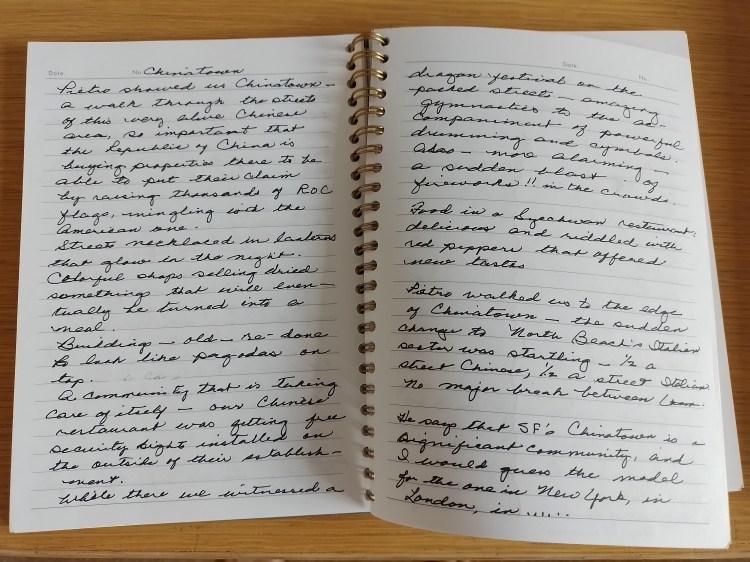
“Excuse me,” said the man beside me, “I cannot help but be fascinated by your ability to write pages and pages in cursive – notes you can go back to and edit, and write some more.”
“Uh huh. Yes”. I agreed that that was what I was doing, and expressed my astonishment that they didn’t seem to be teaching it in schools in the States.
We got to talking. “My children are in their twenties and thirties now,” he said, “and they still don’t know how to read cursive. Each time my Dad writes them a birthday card, they bring it to me to read, because they can’t.” He asked, “what is going to happen the future? Will they not be able to read the Declaration of Independence, or anything that has been written pre-computer?”
“And what do they do when the internet fails?” I added.
“My children would have a heart attack,” he said.
I feel sorry for all those who haven’t been encouraged to develop their hand writing. Sorry, because the act of writing by hand helps to clarify my true thinking. Yes, I can type faster than I can write, but that’s mainly for recording existing thoughts, not the deep-down Puzzles of the Universe. For me, the depth of thought is commensurate with the speed of the writing: the faster the writing, the shallower the thought. Writing by hand enables me to plunge more wholly, and explore more widely, into an idea, helping it to blossom into full understanding in my brain.
I belong to the Writers and Thinkers Community, “driven by the passion for thinking with the hand, a place that celebrates the love of pen, paper, and notebooks.”
Well folks, I don’t know where this is going, or what to say. As I look into the future there’s a deep deep darkness of clumsily thought, un-explored ideas NOT being developed, with people who only photograph anything they need to remember, who cannot read “ancient” writing, and dash off unripe thoughts on email and social media, occasionally offending or not completing what they really meant to say. And — horror of horrors, even more grammatical mistakes, split infinitives, and the Unwanted Presence of the Dreaded Apostrophe!
Vera’s Crab Dip
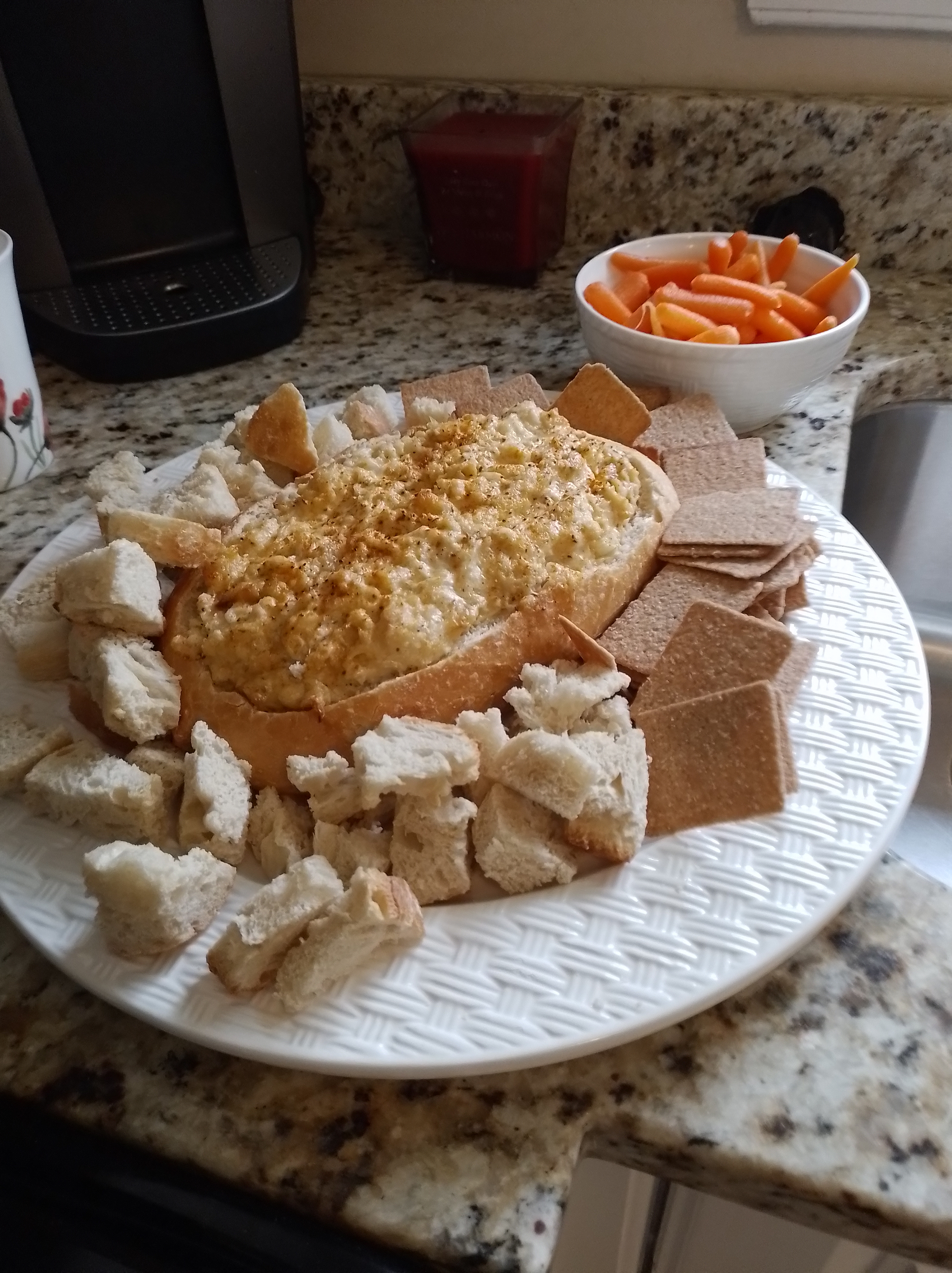
OK. I know that this is the second dip-from-a-relative in a row, but that’s the way it is these days. A dip is a star community builder. Conversation flows over the dropped cracker, or the nearly-made-it-to-the-mouth incidents. Great for the sole unknown member to be welcomed easily into a party gathering.
Vera is my niece-in-law. She is a true product of the state of Maryland, known for its famous crab cakes, and crabmeat in general. Maryland, although my Dad’s birthplace, was totally new to me. This is an area of the country where parties can be made from a few beers and a table covered with steamed crabs for everyone to crack open.
Her dip was delicious and was served with Wheat Thins and Triscuits – two crackers I love, but cannot find in England where I live. This recipe is unlikely to appear in Slimming Magazine. But it’s not dire enough to have to go to sleep for three days to allow your calorie allowance to catch up with you. So go ahead and try it.
If you’re looking for freshly cooked crabmeat, as Vera’s was, it will also need a large bank account. The fresh stuff costs £50 ($64.60, 58 Euros) a pound here. But let us not be daunted! I’ve reduced the recipe so that it works with a couple of tins (cans) of crabmeat — one shredded, one lumpy. And, if you toy with other seafood (like tuna or salmon) perhaps the taste will be good but not anything like Maryland crab. (Vera would definitely agree to that! Let’s face it, nothing in the world can compare to Maryland crab! ) Don’t be shy: share your experiences in the Comments section.
A note about Old Bay Seasoning. It is stocked in some Waitrose shops. If you don’t have any, try Jan’s Old Bay Seasoning Substitute: mix together 1 tablespoon celery seed, 1 teaspoon celery salt, 1/4 teaspoon paprika, 1/8 teaspoon black pepper and a pinch of the following: dry mustard, ground nutmeg, ground cinnamon, ground cardemom, allspice, mace, chilli pepper, and ginger . Store in a sealed container at room temperature. Also good with chicken and other seafoods.
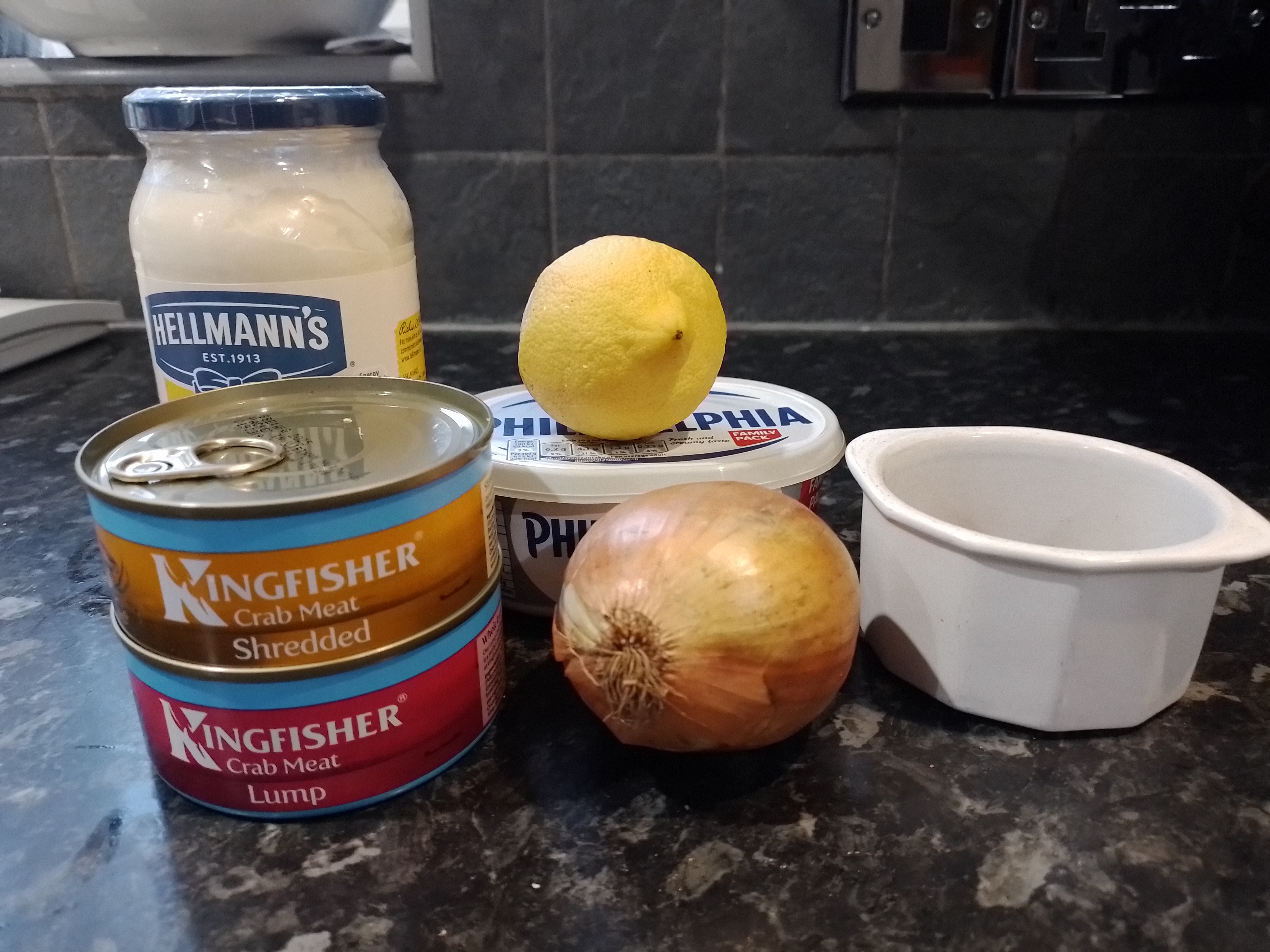
So let’s go: Crabmeat (2 cans, drained, one shredded, one lumpy), 4 ozs cream cheese, 3 tablespoons mayonnaise, finely chopped spring onion. Mix together. Season carefully with salt and pepper, a squirt of lemon juice and add 1 tablespoon of your Old Bay Seasoning/ substitute. Mix.
Bake in a a moderate oven for twenty minutes.
Meanwhile, scoop out the soft innards of a crusty loaf. Place on a baking tray. Cut/tear the soft bread into bite-sized pieces. Surround the loaf with these and spray with oil. Fill the hole in the loaf with the prepared warmed crab meat. Sprinkle with more (Pretend) Bay Seasoning, and pop into your warmed oven for10 minutes or so. Serve with something to drink, and friends to chat with.


 foodthatbuildscommunity.com
The recipe sounds delicious and it was a revelation to me that people no longer communicate in handwriting. How sad. I think handwriting is fascinating and says so much about one’s character.
LikeLike
Oh, I didn’t cover that aspect of that in the blog. Thanks, Geri. You’re right. I met a handwriting expert once who looked at my writing and said, “…..so you prefer red wine?” that was a bit scary!
LikeLike
I remember when I moved schools at age 7, I had to attend remedial classes because I hadn’t learned how to do joined up writing. I mastered it after time and practice, although sadly my handwriting now is hard to read. Although I write digitally for work in particular, I still have a notebook or two to hand.
LikeLike
hooray for notebooks! If you can read your own writing, that’s a good start!
LikeLike
I quite agree Judy. The world is being taken over by all these “machines” and nobody writes letters these days. I sometimes struggle to write for any length of time as I have arthritis in my hands but I persevere and it is so wonderful to receive a handwritten letter in reply.
LikeLike
I find that people appreciate hand written letters, so, even if they’re short letters, they will be valued. Best wishes for continuing. Let’s keep hand-written letters going as long as possible! Maybe teach the younger generation how to read it….even if they can’t write it?????
Judy
LikeLiked by 1 person
Sounds deelish! What type of oil do you spray on it?
LikeLike
well, probably the butter flavoured oil spray, but olive oil would be more appropriate.
LikeLike
Amazing. In the olden days learning “real writing” was a feature of primary education. Something to be proud of.
I still use it.
LikeLike
Unfortunately I’m not too surprised that children aren’t learning to write in cursive but I am shocked that some are unable to read it 😮
LikeLike
Ahhhh, now theres something to think about! Thanks for this, Simon. I hadnt thought about separating the two. Hmmm. It gives me something to ponder on. We have a bunch of kids playing in the street outside my house. Its a cul de sac. Just like you kids in Westfield Road, and the children who followed, its a delight to see them playing and fighting and making friends and creating imaginary stories — far from 2-dimensional screens. Maybe I could try getting them to read some of it when they knock on the door (not tall enough to reach the doorbell.)
Thanks for this, Judy
Sent from Mailhttps://go.microsoft.com/fwlink/?LinkId=550986 for Windows
LikeLike
What a bizarre experience! However, it had me thinking…..when Madeleine writes with pen and paper (and that is rarely, usually a birthday card!), she doesn’t do joined up writing and it looks incredibly childish! This from a girl who’s hoping to go to University in September 😂. When I suggested that she take a notebook and pen to take notes at a careers meeting recently, she looked at me as if to say WHAT?!! I was told that I f there was anything she wanted to make note of she’d type it straight into her chrome book 🤦🏻♀️ Different world isn’t it!
LikeLike
Yes, a different world. Maybe we’ll end up being experts in reading the past! I do hope the internet doesn’t suddenly black out!
Thanks for your comment, it just enriches the story.
Judy
LikeLike
I linked this blog to an American friend on facebook. He expressed concern about modern scholars reading old manuscripts.
Ian
LikeLike
Thanks for sending it on, Ian. The more the merrier!
Judy
LikeLike
My mother started writing her reminiscences, starting with the answer to the question “what did you do in the war, Mummy?” I’ve transcribed them.
LikeLike
Hadn’t thought much about how untaught cursive writers would have trouble reading things like old letters by their parents or grandparents or the declaration of independence, etc. Good point, Judy. ~T. Everett Denton (ASiteForTheLord .com)
LikeLiked by 1 person
Thanks for this comment — great to hear from you. I’m finding that I have to be careful when even writing a birthday card. Sometimes I laboriously print the words. Sad.
LikeLike