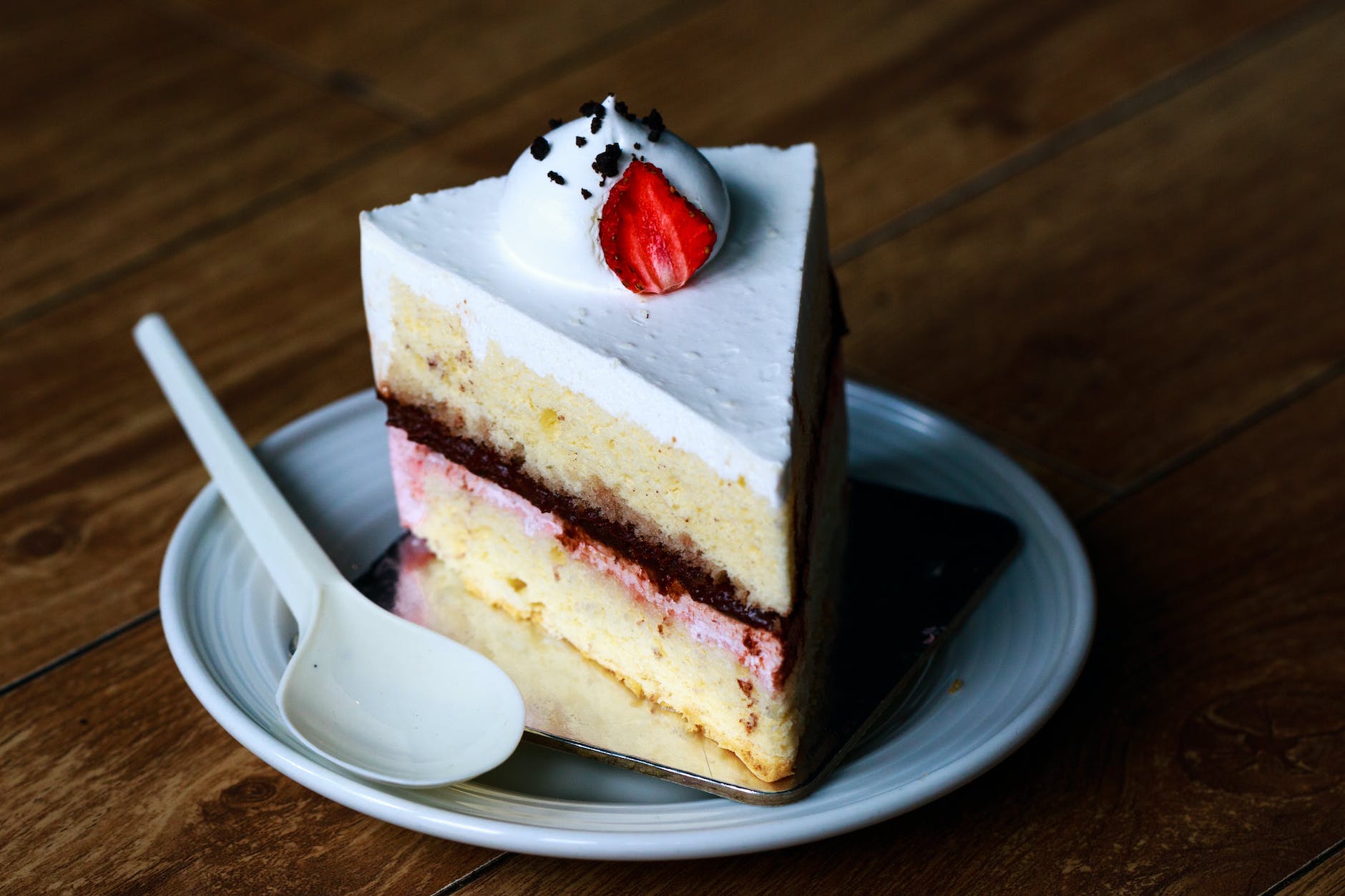
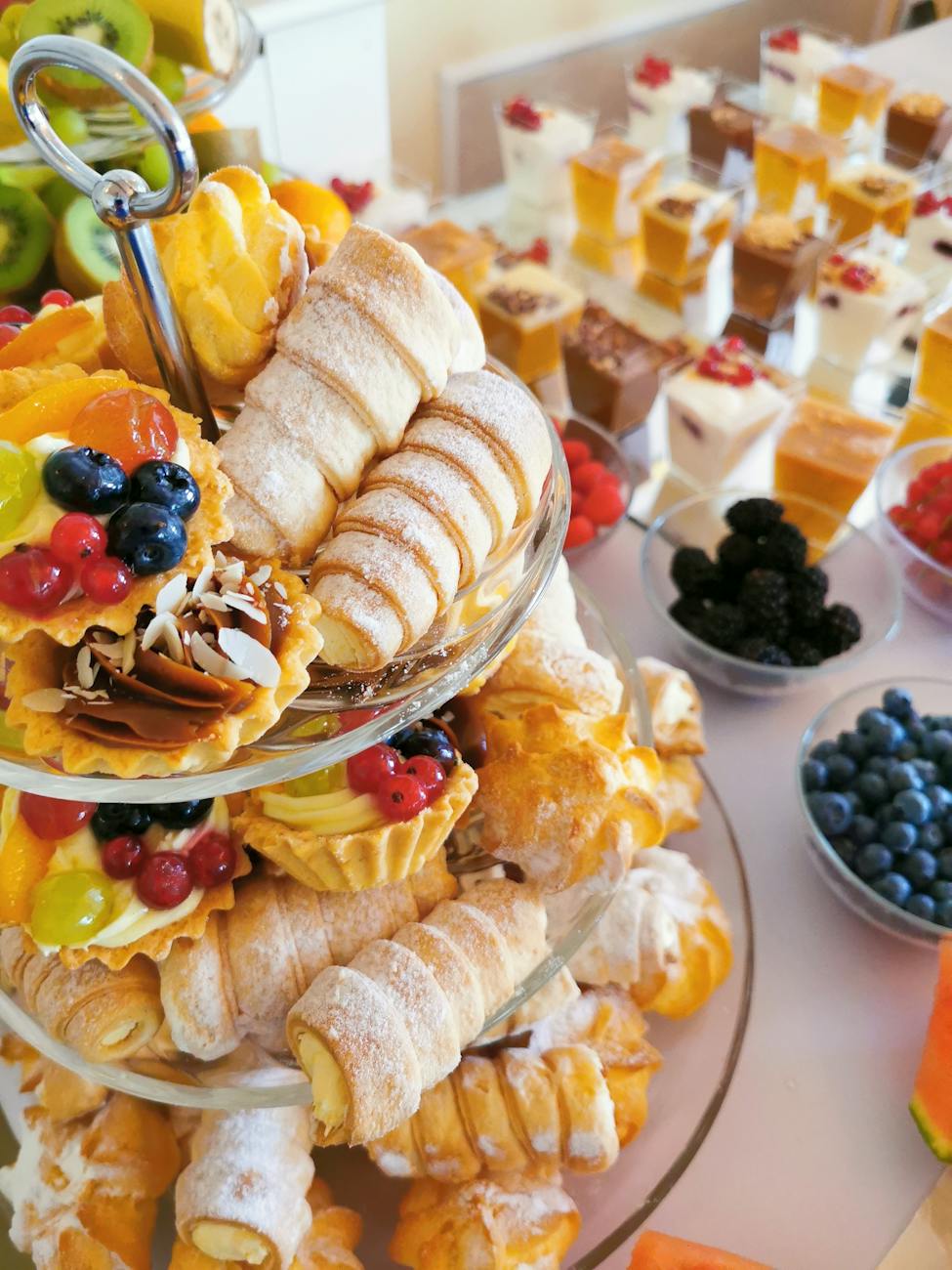
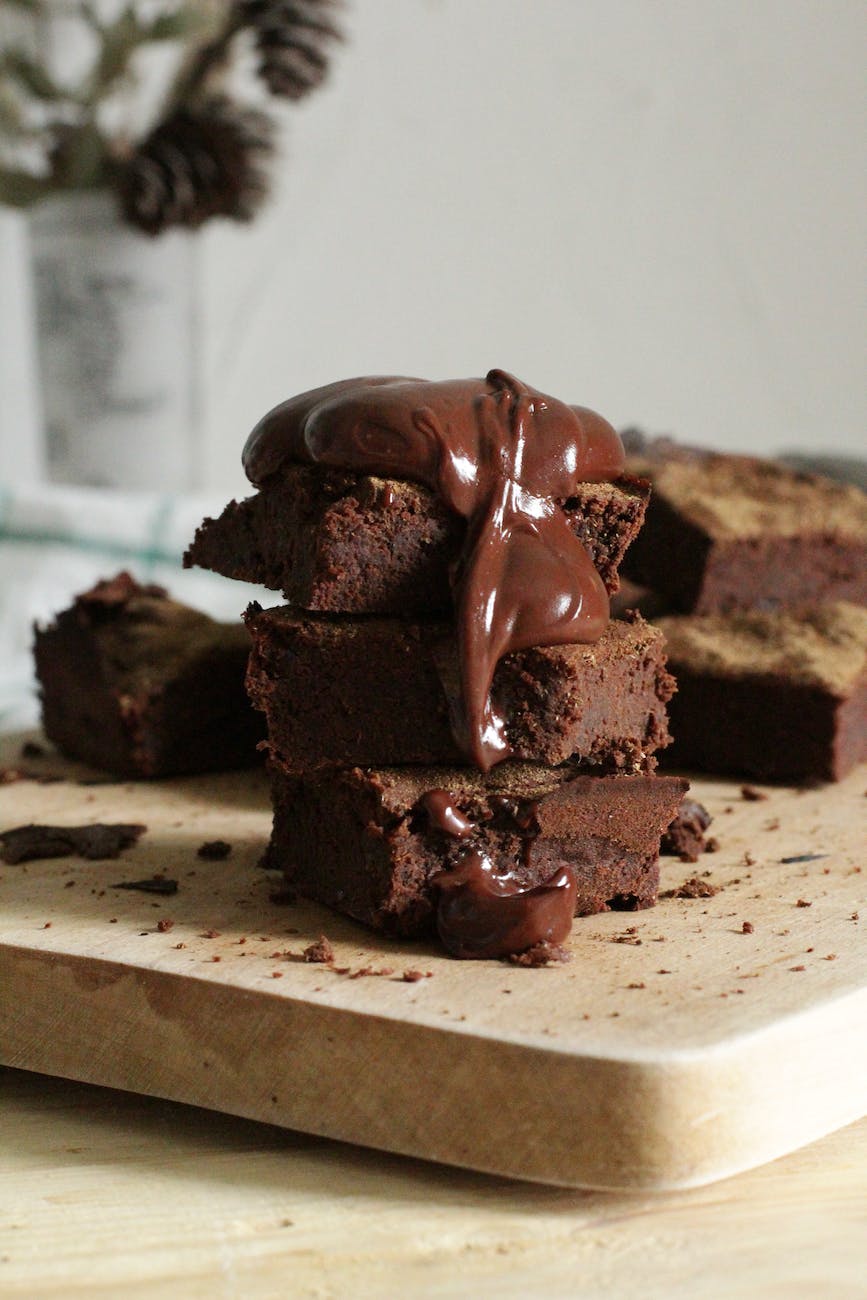
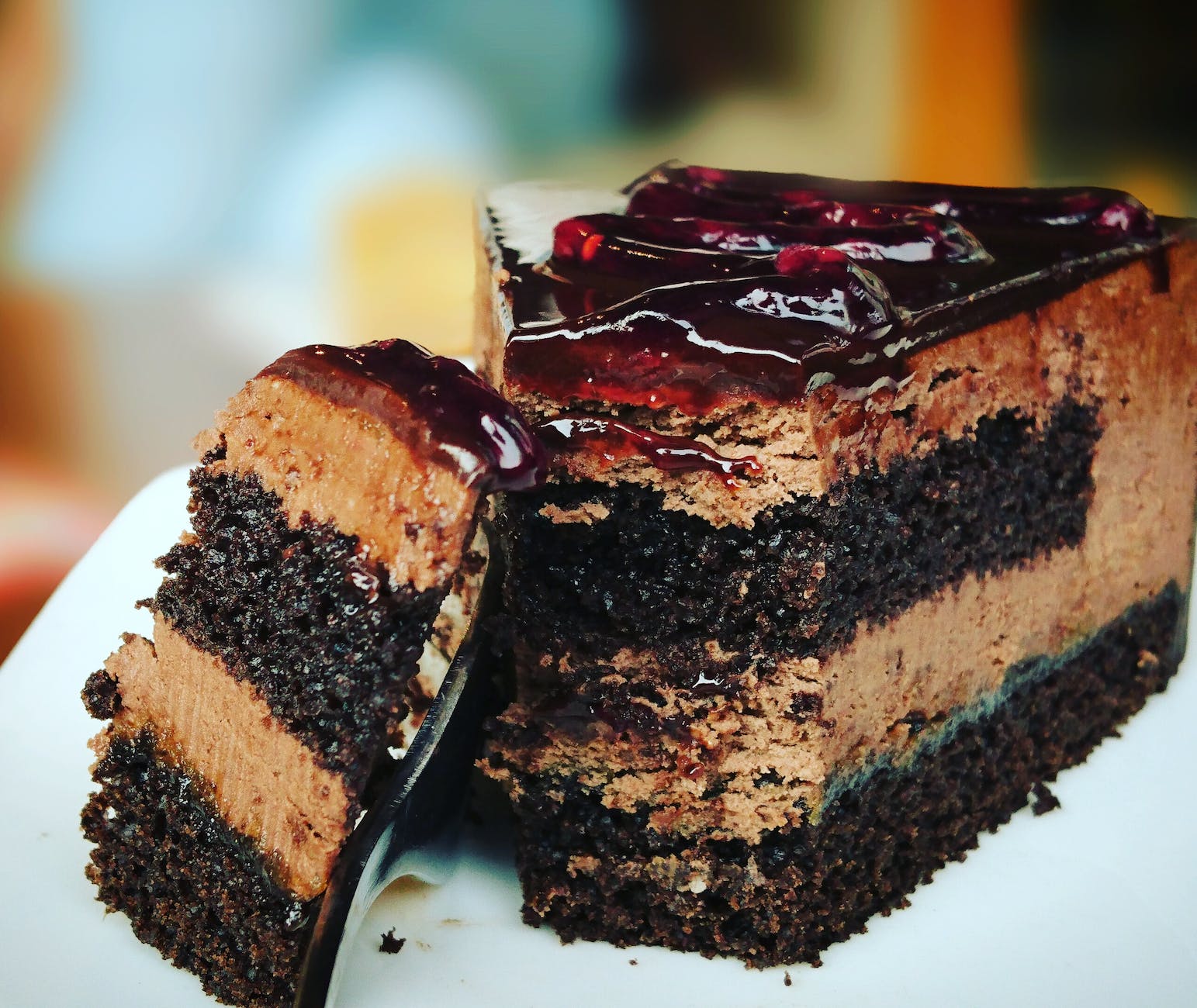
You might have missed the publicity for the Dorstone Pudding Event. A shame. Imagine a long table in a village hall, piled high with desserts, waiting to be judged by the hall’s participants, armed with spoons and bowls, as they nestled into the queue to get a taste of each. We – the community choir from a neighbouring village – were invited to sing to, and sing with, the assembled multitudes during the judging intermission. We were met with freshly baked chocolate cake with cream and fresh fruit. Trifle with caramelised apple deeply embedded in the cream and custard. Meringues and cream. Chocolate waffles luxuriating in thick dark sauce……and so much more.
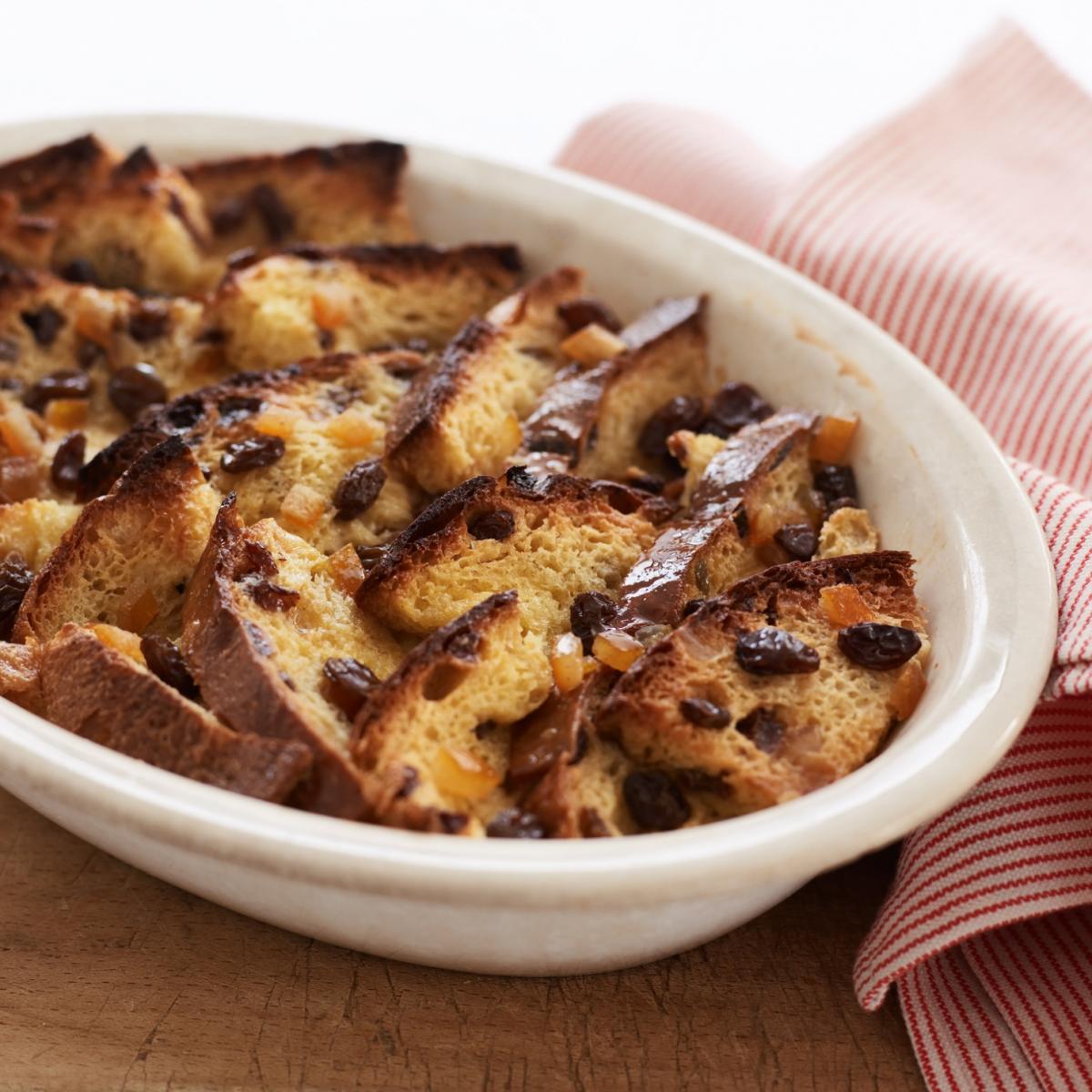
At the table’s end was a warming plate with two dishes of Bread-and- Butter Pudding. These, of course, I ignored. Who, for Heavens sake, eats bread as a dessert! Apparently they do. Much to my surprise, these were the two dishes that participants zoomed into first, great clusters of eaters, elbows out, hardly waiting their turn to disregard sharing and plunge into the creamy layers.

Why???? Friend Lou, standing near me, tried to explain amid the laughter and the clatter.
“It became popular in and after the war,” she said, “as a way of using up stale bread.”
“Aah,” I replied. “I knew that you could put hardened loaves under the tap, and pop them into a hot oven. That made crusty bread with a soft inside. I use that technique even now, especially before reviving dead pittas in the toaster. But why, when you have real desserts, go for bread-and butter-pudding?”
I looked around the room. Many of the participants might have been children in the 1950s when rationing was still imposed after World War II. Is there something about that taste that brought back memories? Was there some food in its taste that recalled a past life?
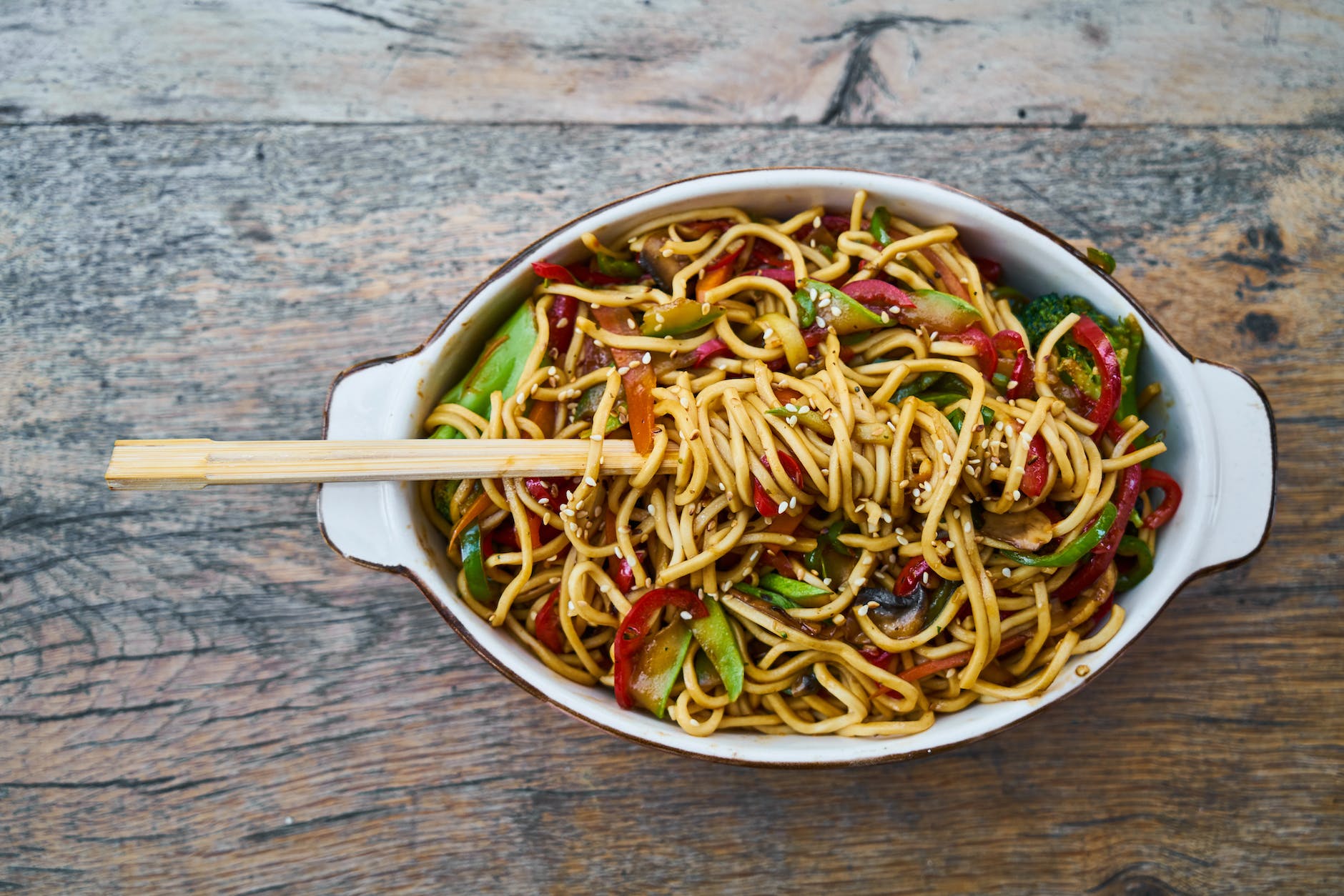
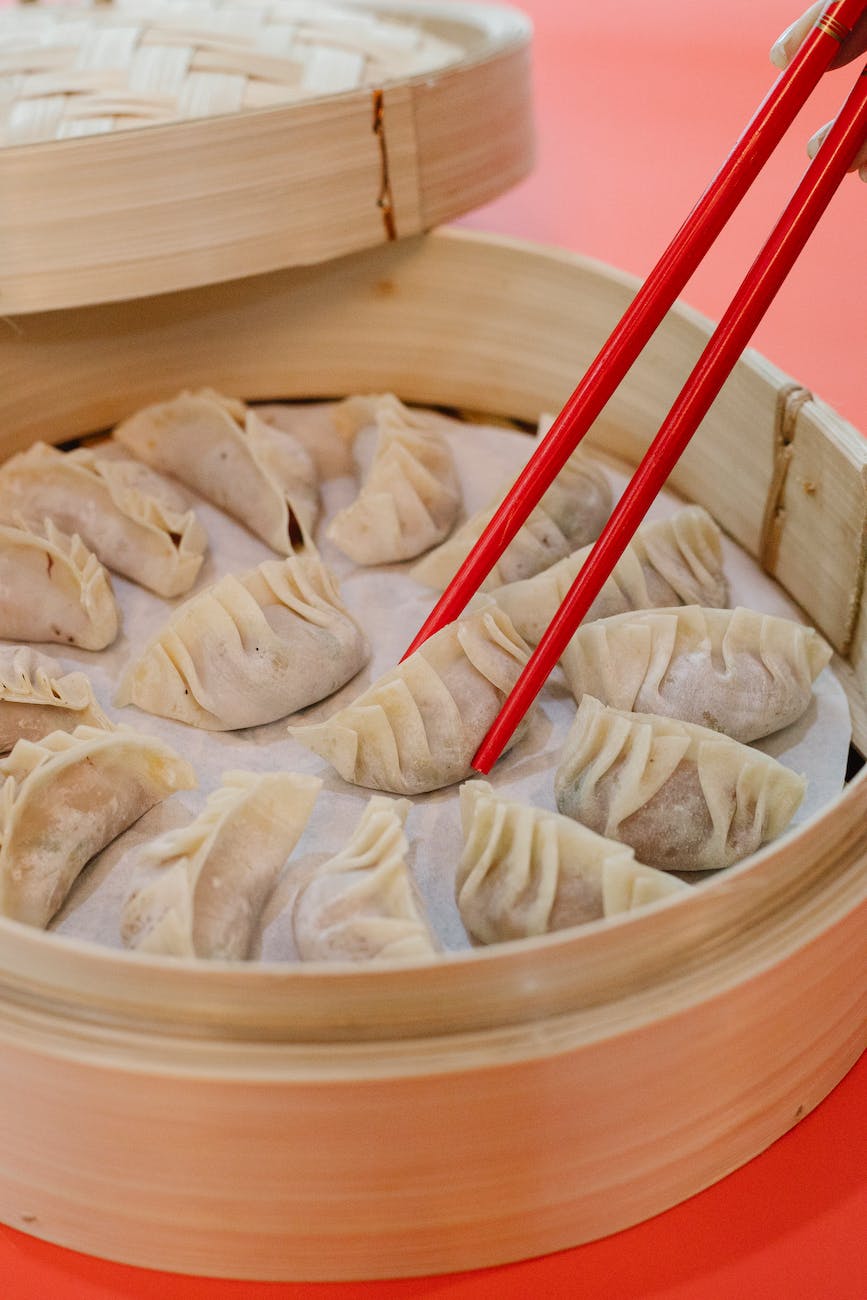
I remember when husband John once took me to a Chinese restaurant in London. (The waiter kindly removed the live cockroach from the menu, popped it into his pocket, before handing me the list of dishes on offer, so we knew the food we’d be eating authentically.) I can’t remember what I ordered, but, having been born in China, and still loving Chinese food, when it arrived, it was perfect! I don’t know how many times I said to John that day, “I have no visual images at all about this food, but it tastes right. That’s all I can say about it: it tastes right!”. Was there something in my DNA that remembered a taste that had no other visual or auditory connection?
Hmm. This is intriguing. Time to do some consultation! Everyone I asked later (and there were many) had this same positive experience about bread-and-butter pudding, (no, not one negative). Even if they disliked milky desserts, or custard or anything else, their eyes would go dreamy, as they’d start to glow with delight. Was it in their individual DNA?
And then I had a startling thought. What if, what if, the taste of a food could be embedded into a whole culture’s DNA? When reading up about Ta’amia, – Falafel – there seemed to be a similar mass delight in one dish. Could it be possible? Why not? [see August 2023 blog: [https://foodthatbuildscommunity.com/2023/08/31/sleepwalking-into-the-unknown/. ]
What do you think?
By the way, guess which dessert was the winner that night. Of course.
Bread and Butter Pudding

Note: this is not the same thing as Bread Pudding, which is another totally incomprehensible phenomenon in itself.
OK. So it’s certainly not the world’s prettiest dessert. But, with such a deep connection to these people I love, it was worth trying. It uses simple basic ingredients and isn’t difficult to make.
Butter a casserole dish. Oven at 160 degrees, 320F, low moderate.
Cut the crusts off 6 slices of bread. Butter both sides. Cut each piece into 4 triangles. Scissors are better thank a knife here.
Place one layer on the bottom of the dish. Scatter a handful of raisins over it.
Add a top layer of bread.
Beat together: 2 eggs, 1 ½ cups milk (355ml), ¼ cup white sugar (4 tablespoons), ½ teaspoon vanilla extract.

Pour over the bread. Gently press the bread into the liquid. Let it soak for 15 minutes.
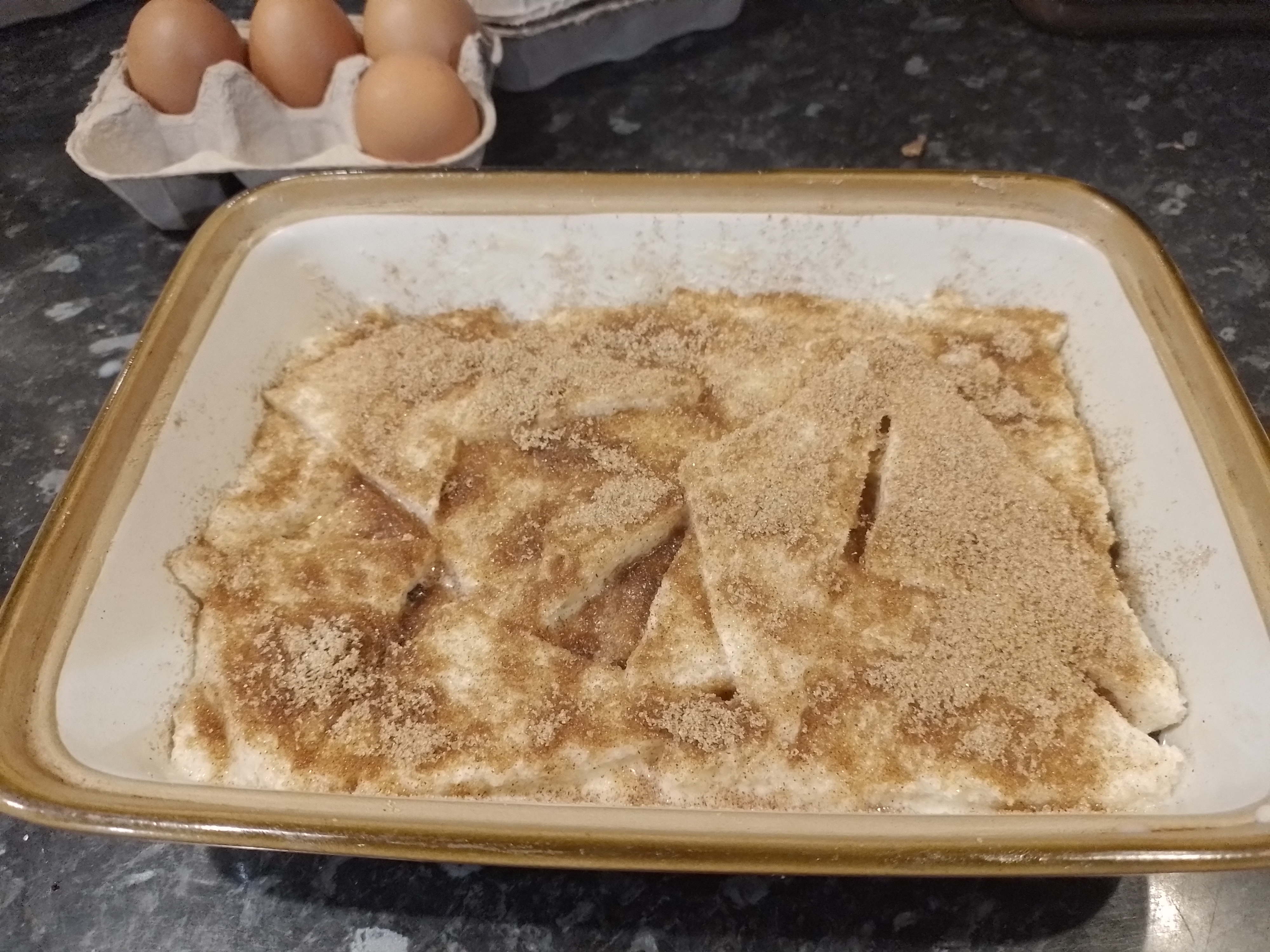
Mix a couple of tablespoons of light brown sugar with 1 teaspoon cinnamon. Sprinkle over the top.
Bake for 40 – 50 minutes until set all the way to the middle.
Gussied-up additions.
Here are some alternatives to consider if you want to add more interest to the traditional recipe, but true B&B pudding afficionados prefer the original:
- Brioche, challah, hot cross buns, or croissants instead of bread
- Add part cream to the milk-egg mixture.
- After the butter, spread each slice of bread with apricot jam or marmalade.
- Or chocolate-hazelnut spread.
- Mixed spice or ground nutmeg instead of cinnamon
- Add orange or lemon zest to the milk mixture.
- Add more eggs.
- Dried currants, sultanas, or other fruit with/instead of raisins.
- Keep the crusts on for a heartier pudding
- Another sugar instead of brown, for the top.
Enjoy the adventure! My reaction? Warm, creamy, comforting. Didn’t taste like bread at all!


 foodthatbuildscommunity.com
Oh, Judy, how could you have lived in England so long and not encountered bread and butter pudding! I make it all the time. A great way is with hot crossed buns. Try it.
LikeLike
I will. I will. Especially with all the fans writing in telling me how delicious it is! It just seemed so strange that it was the winner, surrounded by gooey chocolate and luscious cream desserts.
LikeLike
We often use the leftover croissants when we have over-catered for prayer breakfast.
LikeLike
Fancy pudding! I know someone who makes it with hot cross buns at Easter time. Thanks for this.
Judy
LikeLike
Oh my, Judy. My mouth is watering! Thanks so much.
Gail
LikeLike
Maybe I’ll make it again quite soon….especially with all these positive comments coming in!
JUdy
LikeLike
I prefer hot beef sandwiches myself (also known as a Manhattan sandwich.
LikeLike
Never heard of the “Manhattan” bit, but they certainly sound delicious. Thanks.
LikeLike
Oh yes, food memories! I love bread and butter pudding with a crunchy top, creamy rice pudding with dark brown skin.
But “pipe” pudding (macaroni as a milk pudding), and tapioca pudding – I’ll pass thank you.
LikeLike
great….another fan! I’m so interested! Thank you!
LikeLike