

We must be going wrong. The Welsh roads with business-sounding names lead us further from residential, and deeper into industry. Huge pylons march across the sky, and wind turbines rotate lazily beside cooling towers. The air is hazy. Then we spot it – off to the left a road sign with a duck on it, that’s all. No words to describe its presence. Strange to see a bird with all this man-made ugliness. We turn.
There in the cold grey early morning is the sign NEWPORT WETLANDS NATURE RESERVE and underneath is a sheltered stand, and, amid display signs, posters, and maps to the premise, is a small friendly woman in blue and an astoundingly cheery welcome.
“Hello, are you for the meeting?” “One of us is,” I say, — “my daughter — but I would like to talk to someone about this nature reserve. I want to write about it.”
“Oh, then you will need Josh. He knows everything! Come, I will take you to him. My name is Sarah.”
In no time at all I’ve entered the Newport Wetlands Visitors’ Centre and have met Josh, an easy-to-talk to young man whom everyone needs simultaneously because, as Sarah says, he knows everything. As he helps the big meeting with technical problems, I have a chance to gape at a glass case showing an emerging dragonfly from pond worm to magnificent insect. Everywhere I look, there are signs and posters about birds and plant life, and in the few minutes he’s gone, my brain has already gleaned more information than I could have imagined when I stepped out of the car. I already love this place!
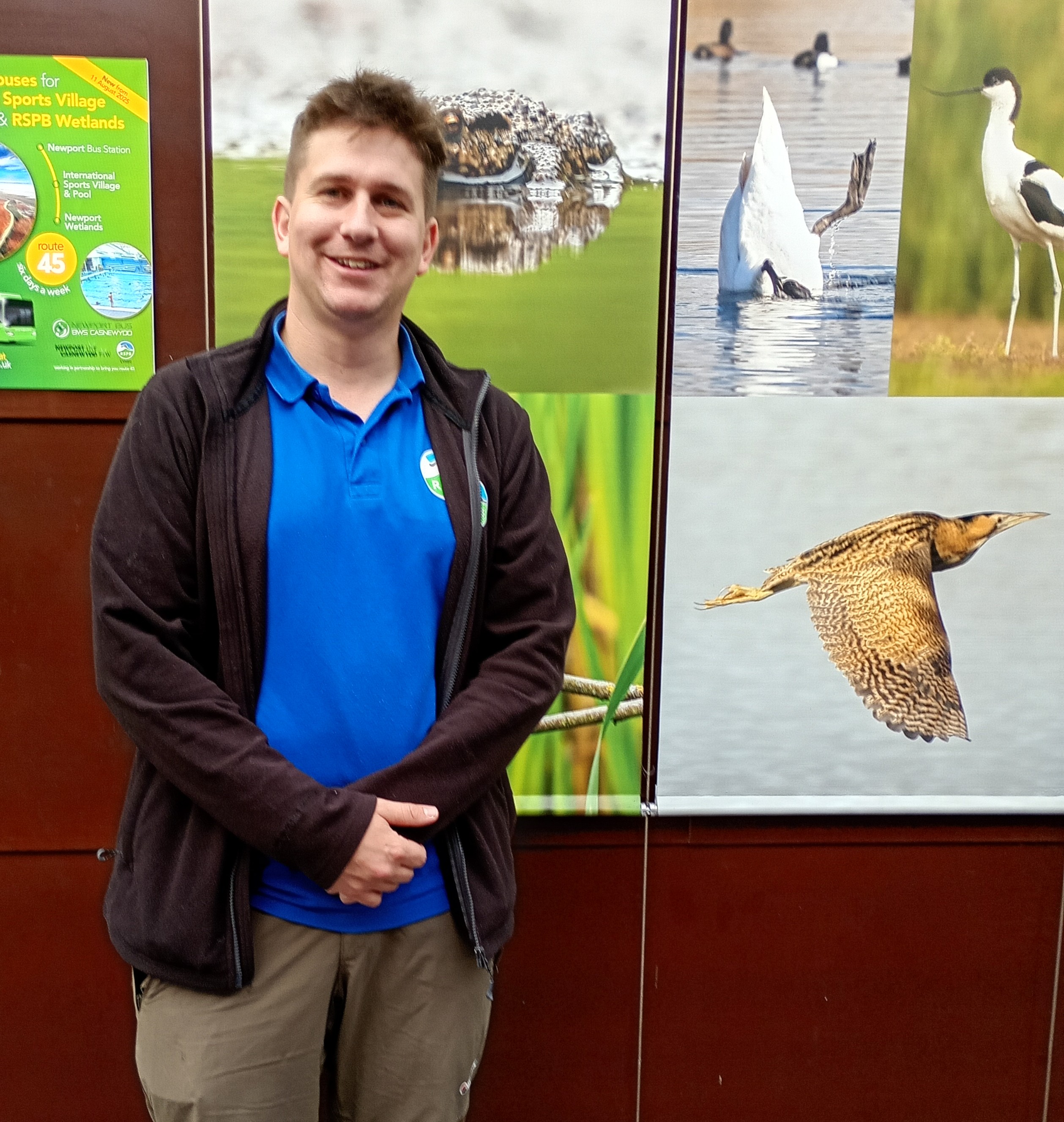
“I can gather information about the whats of this centre,” I explain, “but I’m interested in hearing about the hows.”
“Well,” Josh says, taking a chair in the café, “it isn’t the first time this land has been reclaimed. The Romans re-claimed the land from the sea, so that now during low tide the mud flats offer a great feeding ground for waders.
“This Nature Reserve was developed at the same time the power station was being re-designed.”
“Together? Someone had the dream of developing them together?”
“Yes. In times past, the power station used coal. The residue was a whitish slurry made up of water and pulverised fuel ash. The coal ash drained away making lagoons. The nature reserve is partly developed on six feet deep of coal ash, and partly soil. If there was no coal ash, we’d be able to see the sea from here. Now that the power station has switched to a cleaner power, there was all this coal ash left over.”
“So, what happened next?”
“We planted reeds – there are very few in South Wales – and you can see that we are successful. They attract all sorts of birds. For example, we hatched bitterns in 2020, the first in this area for 200 years. This year we have twelve fledglings.”
“How do you attract bitterns? Just wait for them to come?”
“No. We studied and understood the habitats they would need and prepared our Reserve that way. We filled the lagoons with their favourite fish. And then we waited for them to come.”
I am stunned at the details of observation, tracking, learning, time, and funding undertaken for one single species. All that specialised care! I guess that’s what it takes to save a dying breed. The respect I have for their work balloons exponentially!
“We are working on avocets now. At least the bitterns have been taken off the RSPB Red List [danger of extinction].”
Josh is someone with a lot of new ideas that are welcomed by the Reserve. He and his work seem elegantly suited for each other. “Growing up, I never knew what I wanted to do but I knew I didn’t want to work in an office,” he said.
“So, what are looking for now?”
“That’s a good question. You never know what is going to turn up next – unusual birds, like purple herons, and I am looking for rain – that green grass over there should be covered by water”.
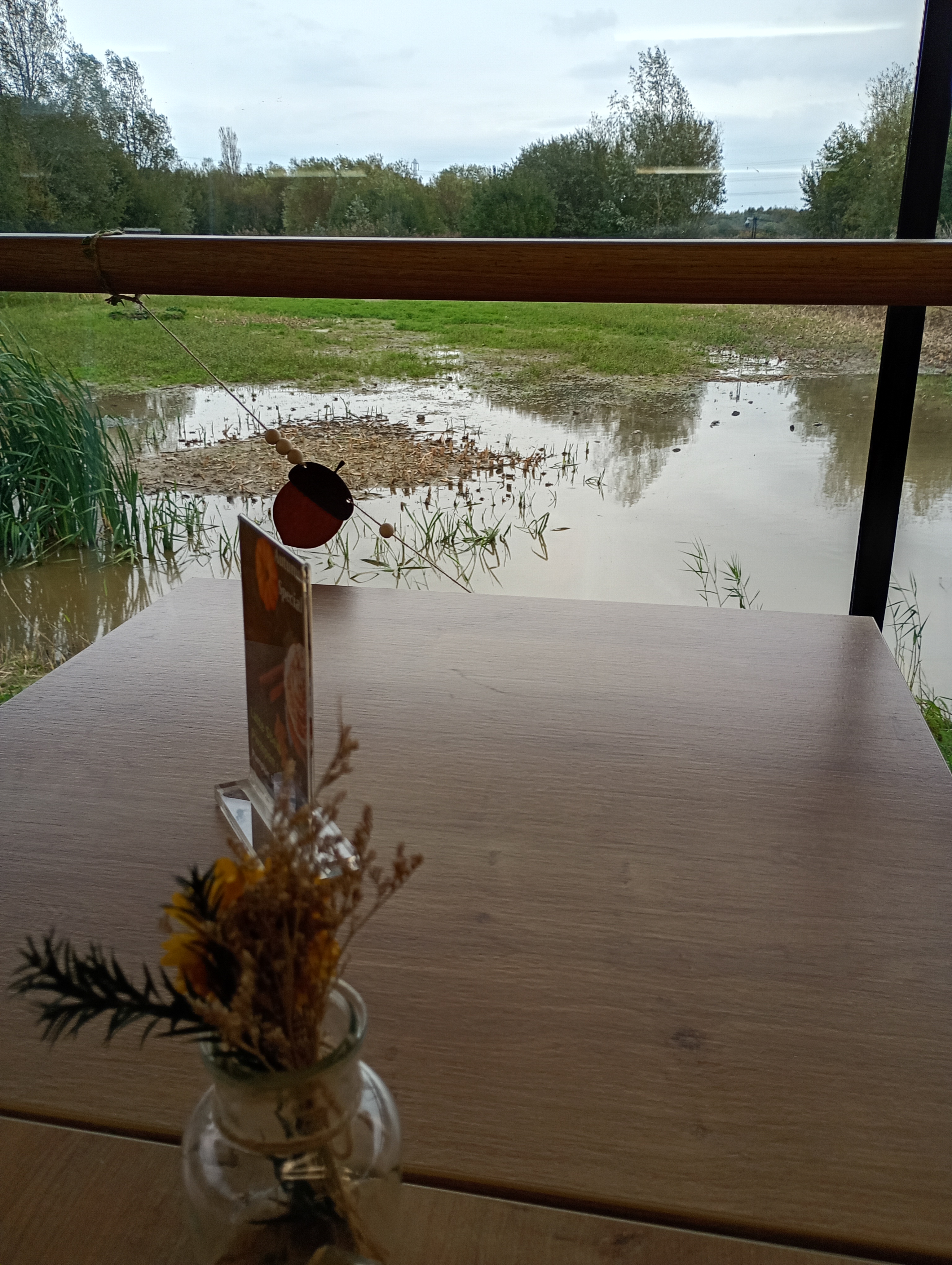
My head full of new information and my heart of admiration, I start my walk around the 438 hectares of the Reserve. The paths are clear, easy, and well signposted.
By chance, I come across the Discovery Centre – with a sculptured timeline of the land, of farming, and the mention of bones of the seven-foot-high aurochs found here, now extinct. The breath of clear air brings birdsong and a swirl of swallows cavorting in the blueness of sky.
I climb the hill, from soil to coal ash, and squint at the sea in the distance.
“Are you admiring the photos I took?” Two men, laden with binoculars and complicated cameras come across me reading a notice board.
“did you really take that picture….the bearded tit?”

The shorter man answers. “Yes. Way over there (pointing in the distance over my left shoulder). We chat amiably a few minutes, they express their feelings that the reed beds are growing so thick that they need cutting back.
Well! Of course I start walking on the path that was over my left shoulder. A working lighthouse, beautiful breezes, a hide where I can watch the water birds silently and meditatively, and a view point from the luxurious woods where the sea glistens with tiny boats.

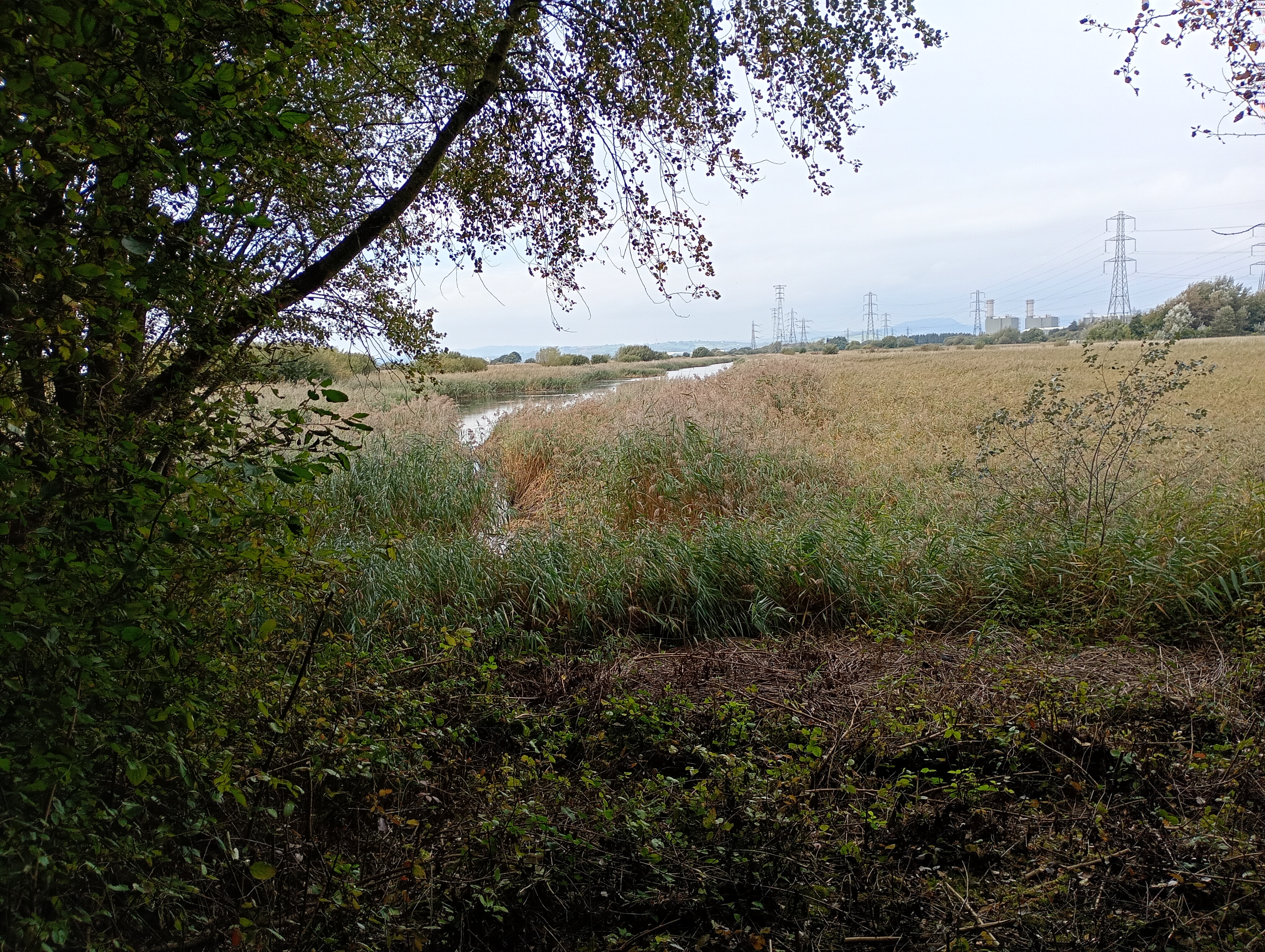
The people I meet seem to be natural, easy-going, appreciative and phone-free. No person is on a mobile phone….except one. Me! I understand that this reserve hosts avocets, curlews, bitterns, bearded tits, kingfishers, march harriers, dragonflies, water voles, shrill carder bees and much more. But as usual in a nature reserve, I hardly see any of these. It is only later I learn that the Centre also hires (rents) binoculars for humans of every shape and size. What have I missed!
However! My phone app tells me that I am listening to: longtailed tits, gold crests, black caps, robins, willow warblers, and the Eurasian wigeon. What’s that?
Time to loop back, via a strange bouncy bridge, to help me understand what it was like to be a reedbed dweller, and to the Visitor Centre for a Welsh cake and “bird friendly” coffee. (Yes, even the coffee has to be harvested without harming the habitats of surrounding animals.)
Josh shows me a picture of a wigeon – a sweet chestnut brown – headed bird. I was so far from the hide, he was just another duck-in-the-distance shape to me.
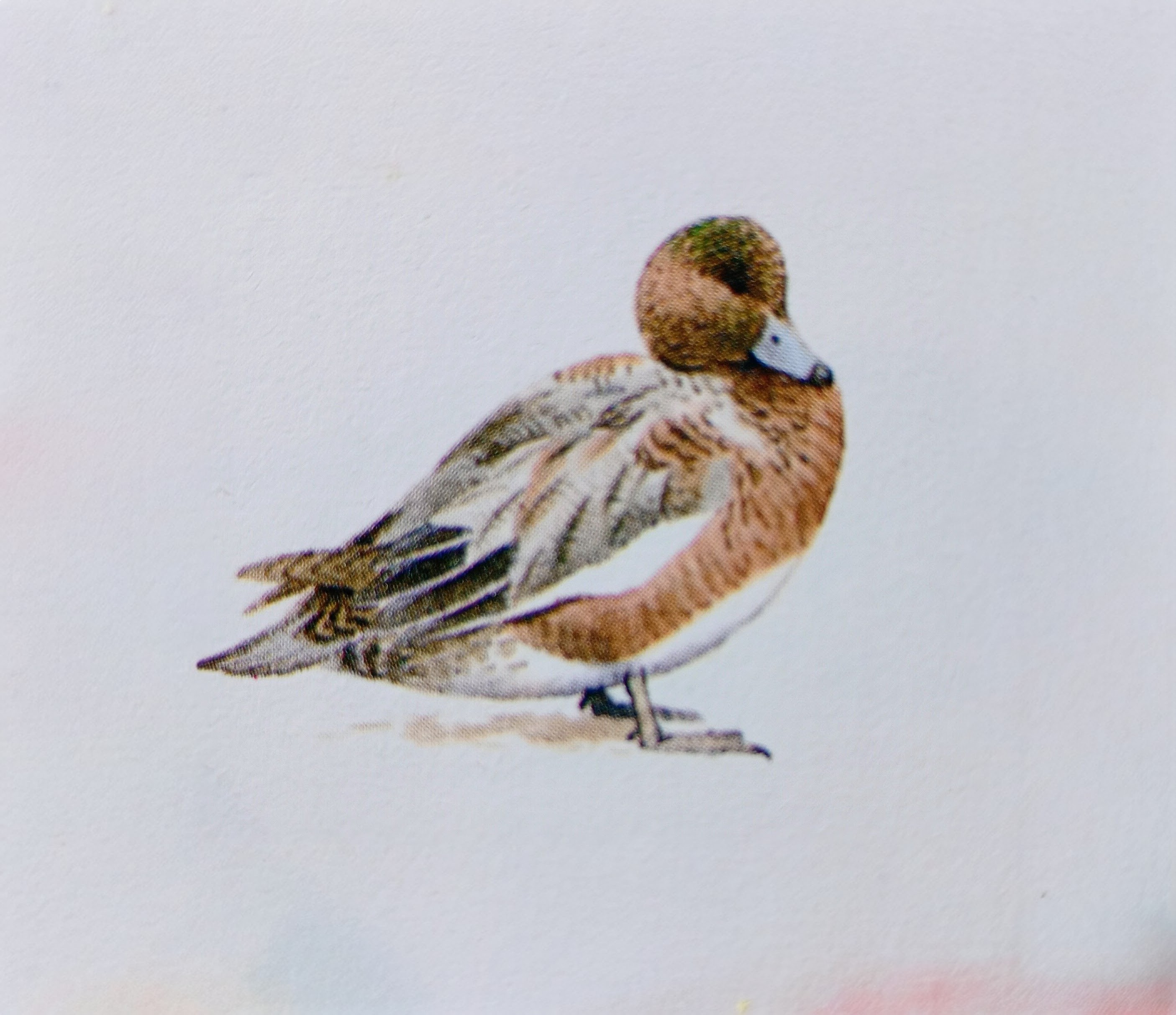
“The wigeon comes from”….Josh glances up at the Arrivals and Departures boards …. “Reykjavik.”
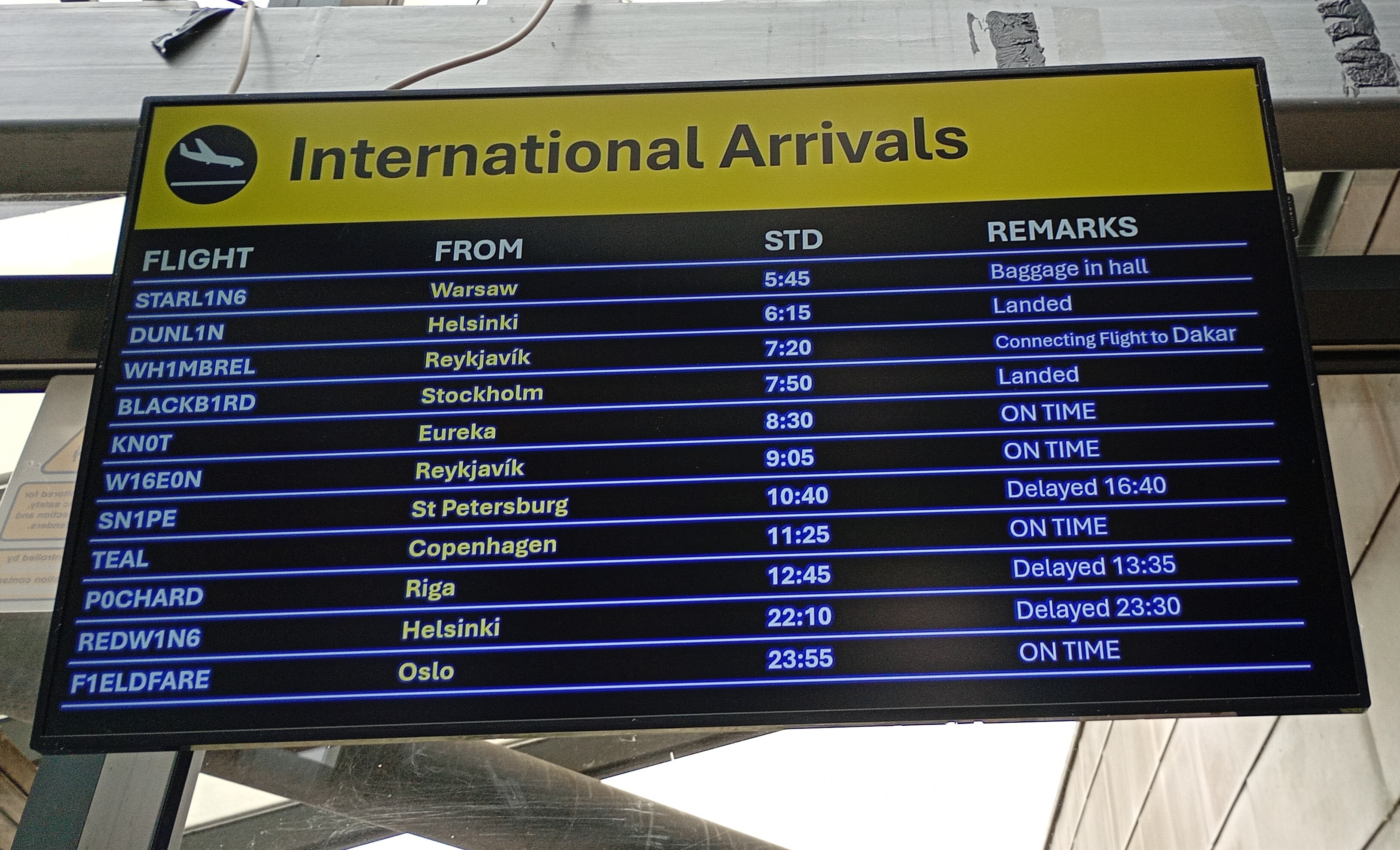

I also meet Rosi, who offers such a beautiful, moving description of the murmuration of starlings that, with lifted heart I know I will be back to experience it this winter.
We drive away, watching the slowly turning wind turbines giving their benediction on Nature below. I wonder, I wonder. Will there ever be a time when, with the construction of every power station, a law demands that there is also also a nature reserve created around it?
Apple Butter
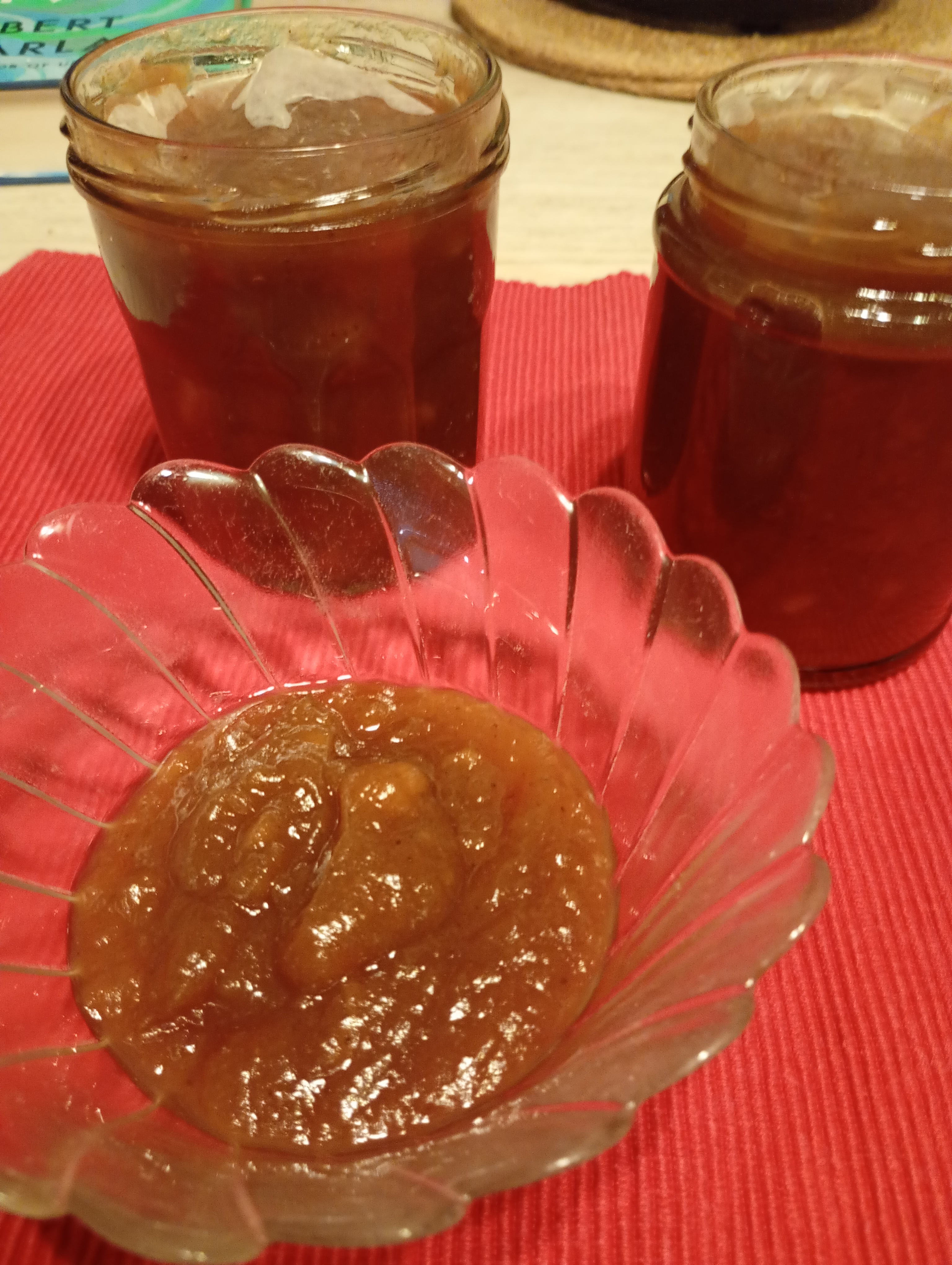
We are rejoicing in plenty, these days – everyone is eager to share bags of plums damsons, and runner beans. Boxes of apples are left at many a front door, begging to be taken home to apple-free houses, of which there aren’t many. Apple butter does not contain butter, but is a gently flavoured spread, cooked to a thickness that won’t slither off your bread. Great with peanut butter (if you indulge), apple tarts, and ….well, you try it and tell me. In this recipe, 1 lb of apples = 1 jam jar of apple butter.
Lazy Cook’s Apple Butter
Slow Cooker Method
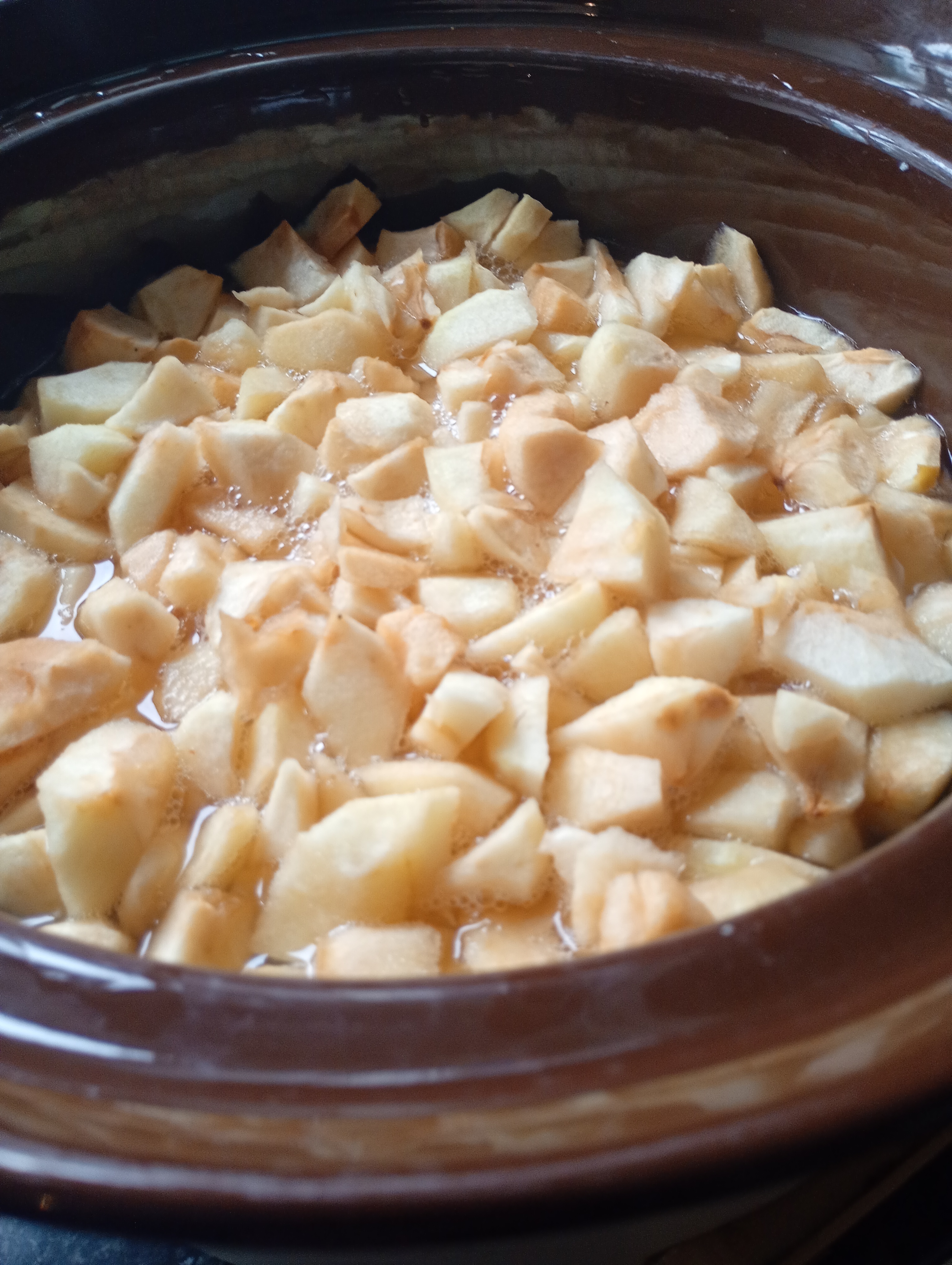
- Find yourself a favourite film/TV show, and peel, core and chop 4lbs apples.
- Put in slow cooker. Pour over water, cider, or apple juice until just below the surface of apples.
- Turn to LOW, and leave it, covered, for 10 – 12 hours.
- Remove lid. Stir in 2 ½ cups sugar, 2 tablespoons lemon juice, 1 star anise, and 2 sticks of cinnamon. (I used demerara sugar to make the sauce darker.)*
- Cook, covered, on HIGH for two hours.
- Remove cover. Stir. Cook on HIGH uncovered for 2 – 4 hours more until thick. You can test for thickness, by spooning a bit on a refrigerated plate. If it holds its own in a tiny peak, it is ready to
- Pour into sterilised jars and seal.
*if no star anise or cinnamon sticks, other recipes recommend ¼ tsp ground cloves, and 3 tsps cinnamon. (but the tasters did like the star anise).
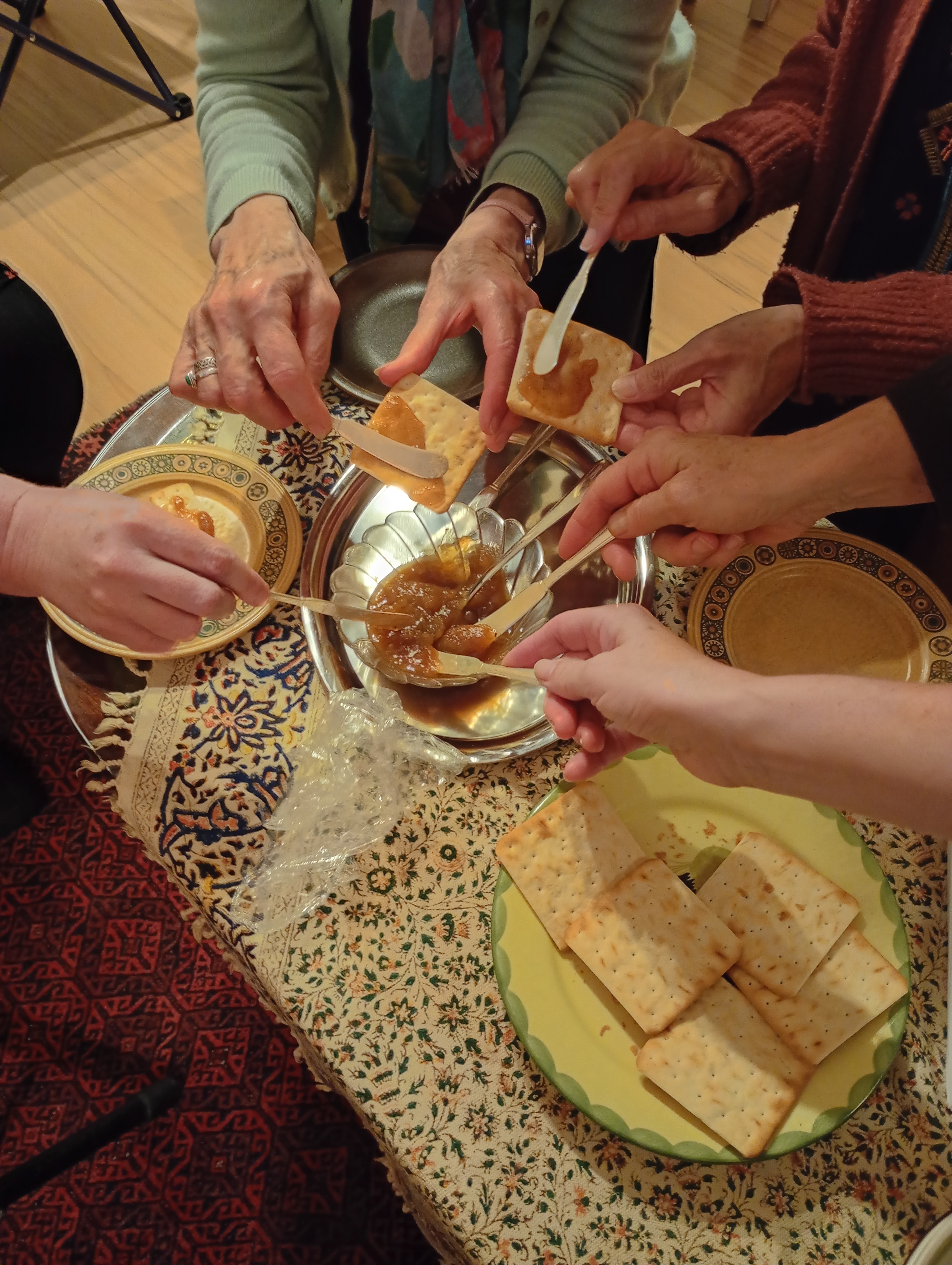


 foodthatbuildscommunity.com
Sent from my iPad
LikeLike
Late to reply. Meanwhile, Happy Birthday!
LikeLike
The Magic Lake
I came across it by accident in the course of my wandering during one of my enforced absences from school. The wood was private. This I did not know at the time, only that it looked cool and inviting. To me as a child the lake seemed a thing of magic. I half expected fairies to emerge. It wasn’t very big; I could see the whole of it and stood transfixed as dragon and damselflies darted like jewels in the dappled sunlight.
There were snowy white waterlilies at one end and a moorhen shouted a warning to her chicks as I approached. There were tall reed mace at one side together with tall willowherb, spirea and orangey musk, while across the other side willows hung low, touching the water.
Finding a gap in the reeds I ventured nearer and looked into the water where small fish swam to and fro. Lying on my stomach I put my hand in the water and the little fish darted away. As I watched, a snake came undulating round the edge of the lake. I know now that it was a grass snake, the first I had ever seen, and I was fascinated. It passed on and I watched its progress till it was out of sight.
As I watched, something else caught my eye; an ugly “beetle” thing was climbing out of the water up the stem of a burr-reed. It sat poised and still for a while and then a miracle! The back began to split and a brown head seemed to be emerging. Was it the fairy I wanted it to be? But no, it was an ugly crumpled looking creature which rested on the case for a while, then magically, gradually, wings began to unfold. I watched enchanted as the dragonfly emerged, a full beautiful gauzy winged creature which eventually took flight in the sunlight.
Though I have seen this miracle of transformation many times since, nothing can ever recapture the first thrilling sight of nature unfolding as it did for me in the forbidden wood.
The wood is now a housing estate and the lake, with all its magic lives only in my memory; a little gem in the mist of time.
Doris Day
LikeLike
That’s you Mother, isn’t it! An amazing person.
Judy
LikeLike
Hi Judy
Fascinating, is it a place Ann & I could visit?
I couldn’t include this painting in my comments:
[image: image.png]
Regards
Ian
LikeLike
Yes. The paths are easily accessible. Check out their website, or phone. They are EXCEEDINGLY friendly! But it will be cold right now. Winter birds are flying in.
LikeLike
Thank you Judy, a really lovely inspiring blog as always! Newport Wetlands certainly deserves a visit. I must try making apple cheese, now that my Rayburn is going.
LikeLike
Great! Let’s get a charabanc and make a day of it!
Glad you liked the blog!
LikeLike